Running a factory means burning through huge amounts of electricity. Big motors don’t just pull regular power; they also drag in reactive power to build magnetic fields. When this load gets out of hand, it strains your grid and spikes your bills. Figuring out the advantages of power factor correction is an absolute must if you want to stop handing extra cash to the utility company.
Understanding the Basics First
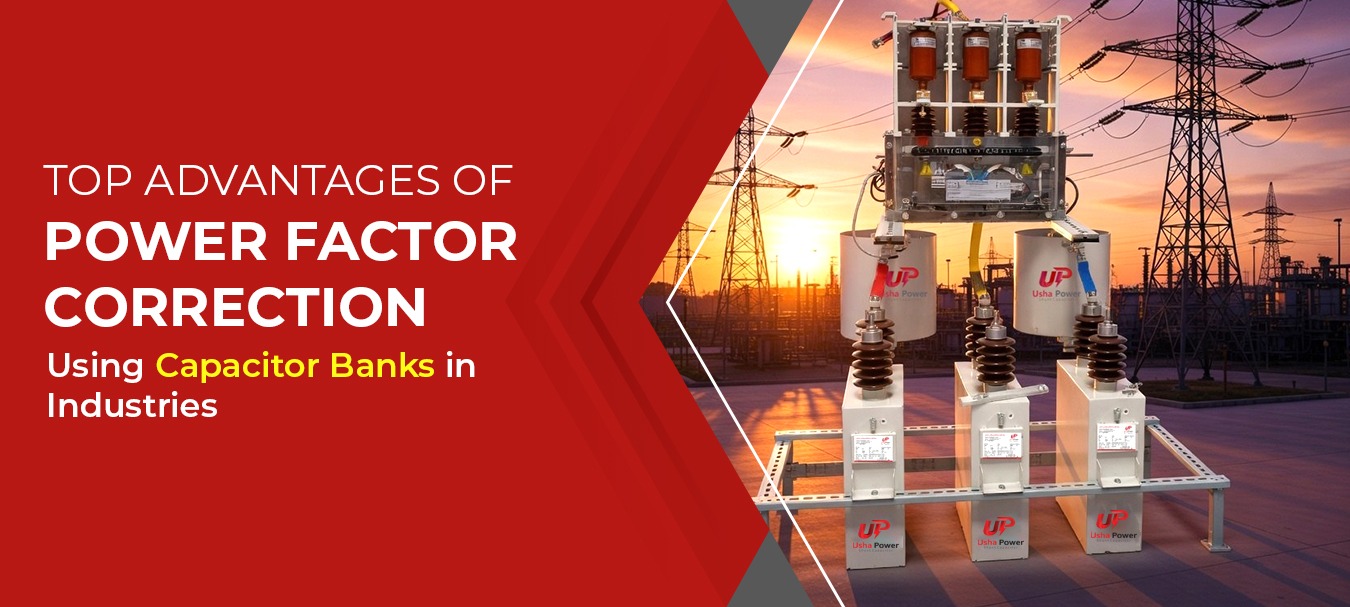
Let’s look at the classic beer pint analogy. The liquid part is your real, working power. The foam on top? That’s your reactive power. You pay for the whole glass, even though foam doesn’t do actual work. Capacitor banks basically act as foam reducers. They supply that needed reactive power right at the machine level. This lets your main system draw only the real power it actually needs.
Eliminating Utility Penalties
Utility providers monitor industrial meters like hawks. If your machines pull too much reactive power, your efficiency drops below their allowed limits. Then, they slap you with brutal penalty fees. Dodging these fines is one of the biggest advantages of power factor correction for any plant manager. By putting capacitor banks in place, you fix the ratio immediately. You get back in compliance and stop wasting money.
Lowering Maximum Demand Charges
Look at your power bill closely. A huge chunk of that cost comes from your maximum demand charge, measured in kVA. A sloppy electrical setup forces you to pull way more kVA just to keep the belts moving. Fixing the root issue drops your total demand. Suddenly, your plant falls into a much cheaper billing bracket. That puts capital back in your pocket every single month.
Unlocking Hidden System Capacity
Every cable and transformer in your building has a strict physical limit. When reactive current hogs all the space in your wiring, you run out of room for actual productive energy. Clearing out this bottleneck instantly frees up space. You essentially unlock hidden capacity in your current setup. This means you can connect new machines without spending a fortune upgrading your entire electrical grid.
Reducing Bothersome Line Losses
Shoving unnecessary current through your wires creates a lot of friction. That friction turns into heat, which is basically your money vanishing into thin air. Engineers call these copper losses. Lessening this wasted heat is another one of the major advantages of power factor correction. You are simply pushing less current through the cables. Less current means less heat, fewer line losses, and a cooler facility overall.
Stabilising Equipment Voltage
Heavy motors absolutely hate low voltage. When big inductive loads kick on at once, the voltage across the floor sags. This makes machines work harder, run slow, and eventually overheat. Adding a capacitor bank is like giving your system a local shock absorber. It props up the voltage right next to the equipment. Your machinery gets the steady, strong power it needs to run perfectly.
Extending the Life of Machinery
Heat is a total equipment killer. Pulling extra current through an inefficient setup forces everything to run way hotter than it should. Over time, this bakes motor insulation and wrecks expensive switchgear. Dropping the current draw naturally cools the whole place down. You will start seeing fewer breakdowns and way less maintenance. Simply optimising how things receive power adds years of life to your expensive assets.
A Surprisingly Fast Payback Period
Most factory upgrades take years to pay themselves off. This is a totally different story. Because the utility bill savings are so aggressive right out of the gate, the hardware practically pays for itself. Most facilities recover the cost of a new capacitor setup in just twelve to eighteen months. After you hit that short milestone, every pound saved goes straight into your operational budget.
Preventing Annoying Power Outages
Unplanned shutdowns are a massive headache. They usually happen because circuit breakers trip when the system pulls a sudden spike in current. A bad setup flirts with these tripping points all day long. When you look at the advantages of power factor correction, you realise it lowers that baseline daily load. It gives your breakers some much-needed breathing room. Those annoying nuisance trips basically stop happening.
Meeting Green Energy Goals
Going green isn’t just a corporate talking point anymore; it is a real requirement. Wasting power inside your walls means the local plant has to burn more fuel to cover your slack. By tightening up your internal grid, you pull less total energy. This directly shrinks your carbon footprint without changing how you manufacture. It is a very practical way to meet local environmental rules.
Managing Harmful Electrical Noise
Today’s factories use a lot of variable frequency drives and robotics. They are great, but they dump dirty electrical noise, or harmonics, back into your wires. This noise fries sensitive control boards. Special capacitor banks paired with reactors act like a sponge for this rubbish. They filter out the harmful noise while fixing the efficiency problem. It is essentially a two-in-one armour for your plant.
Final Thoughts on Efficiency
Managing a plant is stressful enough without burning cash on bad power habits. Fixing this one specific electrical issue changes how everything runs. Things stay cooler, bills shrink, and your current wiring handles a lot more work. Honestly, ignoring the advantages of power factor correction just leaves money sitting on the table. Setting up the right capacitor bank is undoubtedly one of the smartest upgrades you can make.
If you are the owner of a heavy manufacturing facility, whether in the steel, cement, metal, or textile industry, and are searching for a permanent and reliable solution to eliminate utility penalties and optimise your electrical grid, Usha Power is the right partner for your power management needs. At Usha Power, we understand the immense pressure of running a profitable industrial operation. That is why we manufacture robust LV/HV capacitor banks, intelligent APFC panels, and harmonic filters designed to address real power quality challenges in industrial environments.
We do not simply supply standard equipment. Our team provides complete electrical engineering solutions along with turnkey project services tailored to your facility’s infrastructure and operational requirements. From system design and equipment supply to installation and commissioning, every stage is handled with technical precision and industry expertise.
By implementing the right power factor correction and power quality solutions, industries can significantly reduce electricity penalties, improve system efficiency, and protect critical machinery from electrical stress. With a carefully designed power correction setup, facilities can achieve better energy utilisation and faster return on investment while maintaining stable and reliable plant operations.